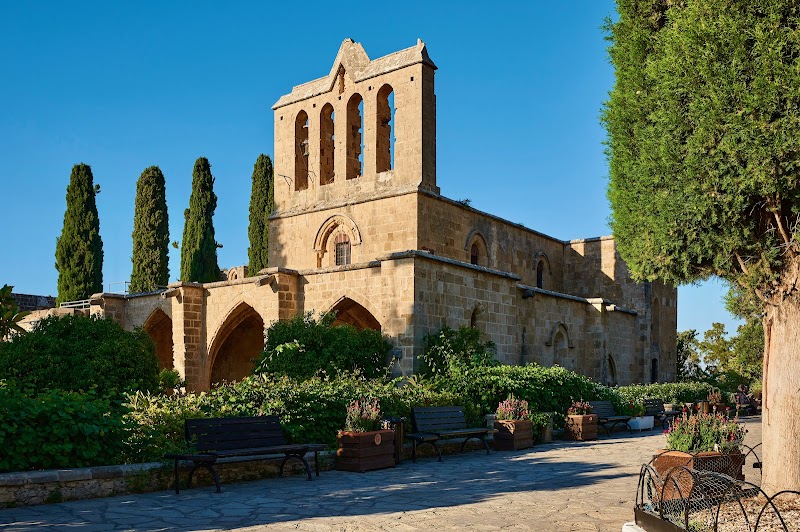
Bellapais Abbey
📍 8944+R39, Beylerbeyi 99320
⭐ 4.7 / 5.0
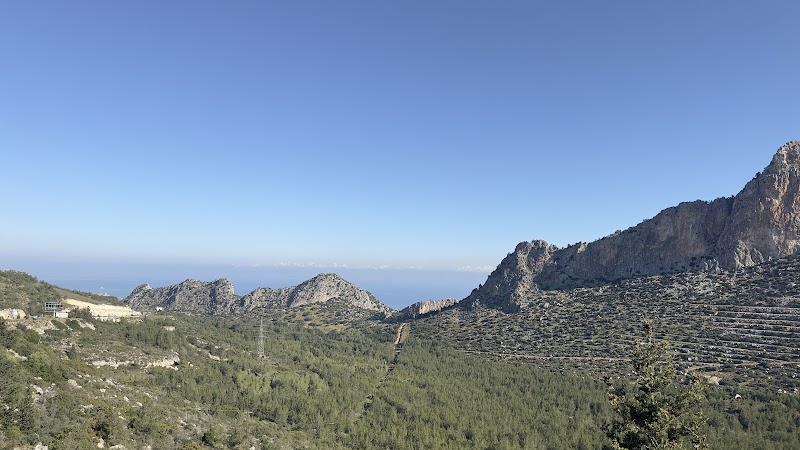
Bellapais Abbey (Abbaye de la Paix, or "Abbey of Peace") stands as one of the finest examples of Gothic architecture in the Eastern Mediterranean. Perched on the northern slopes of the Kyrenia mountain range at an elevation of approximately 220 metres, the abbey commands breathtaking panoramic views over Kyrenia and the Mediterranean Sea beyond. This remarkably well-preserved 13th-century monastery remains one of North Cyprus's most iconic landmarks and a testament to the island's rich Lusignan heritage.
The abbey was founded around 1198–1205 by Augustinian canons who fled Palestine following the fall of Jerusalem to Saladin in 1187. Under the patronage of the Lusignan kings, particularly Hugh III (1267–1284), the monastery flourished and expanded significantly. The magnificent Gothic cloister, widely regarded as the most beautiful in the Levant, was constructed during this period. The refectory, added in the 14th century under Hugh IV, features soaring vaulted ceilings, elegant tracery windows, and a carved pulpit accessed by a staircase built into the wall — architectural details that rival the finest monasteries of France. The Venetians used the abbey as a military outpost before the Ottoman conquest of 1571, after which the complex gradually fell into disuse.
Visitors entering Bellapais are immediately struck by the romantic atmosphere of the ruins. The main church, which still retains its roof, serves as an active venue for classical music concerts during the annual Bellapais Music Festival. The Gothic cloister features 18 arches supported by paired columns with carved capitals depicting human heads and foliage — each unique in design. The refectory's six great windows frame spectacular views of the coast below, creating one of the most photographed scenes in all of Cyprus. The sarcophagi in the cloister garden and remnants of frescoes in the church add layers of historical texture.
The village of Bellapais itself, with its narrow lanes and traditional stone houses, is well worth exploring. The English writer Lawrence Durrell lived here in the 1950s and immortalized the village in his celebrated book "Bitter Lemons of Cyprus." The "Tree of Idleness" — a massive fig tree under which Durrell reportedly wrote — still stands in the village square. The best time to visit is early morning or late afternoon when the golden light enhances the honey-coloured stone and the crowds are thinner.
Key facts: Founded c. 1198–1205 · Gothic Lusignan architecture · Elevation 220m above sea level · 18-arch cloister · Featured in Lawrence Durrell's "Bitter Lemons" (1957) · Annual music festival venue · One of the best-preserved Gothic structures in the Middle East
The abbey was founded around 1198–1205 by Augustinian canons who fled Palestine following the fall of Jerusalem to Saladin in 1187. Under the patronage of the Lusignan kings, particularly Hugh III (1267–1284), the monastery flourished and expanded significantly. The magnificent Gothic cloister, widely regarded as the most beautiful in the Levant, was constructed during this period. The refectory, added in the 14th century under Hugh IV, features soaring vaulted ceilings, elegant tracery windows, and a carved pulpit accessed by a staircase built into the wall — architectural details that rival the finest monasteries of France. The Venetians used the abbey as a military outpost before the Ottoman conquest of 1571, after which the complex gradually fell into disuse.
Visitors entering Bellapais are immediately struck by the romantic atmosphere of the ruins. The main church, which still retains its roof, serves as an active venue for classical music concerts during the annual Bellapais Music Festival. The Gothic cloister features 18 arches supported by paired columns with carved capitals depicting human heads and foliage — each unique in design. The refectory's six great windows frame spectacular views of the coast below, creating one of the most photographed scenes in all of Cyprus. The sarcophagi in the cloister garden and remnants of frescoes in the church add layers of historical texture.
The village of Bellapais itself, with its narrow lanes and traditional stone houses, is well worth exploring. The English writer Lawrence Durrell lived here in the 1950s and immortalized the village in his celebrated book "Bitter Lemons of Cyprus." The "Tree of Idleness" — a massive fig tree under which Durrell reportedly wrote — still stands in the village square. The best time to visit is early morning or late afternoon when the golden light enhances the honey-coloured stone and the crowds are thinner.
Key facts: Founded c. 1198–1205 · Gothic Lusignan architecture · Elevation 220m above sea level · 18-arch cloister · Featured in Lawrence Durrell's "Bitter Lemons" (1957) · Annual music festival venue · One of the best-preserved Gothic structures in the Middle East
Bilgiler
Adres
8944+R39, Beylerbeyi 99320
Telefon
Web Sitesi
Fiyat Aralığı
$$