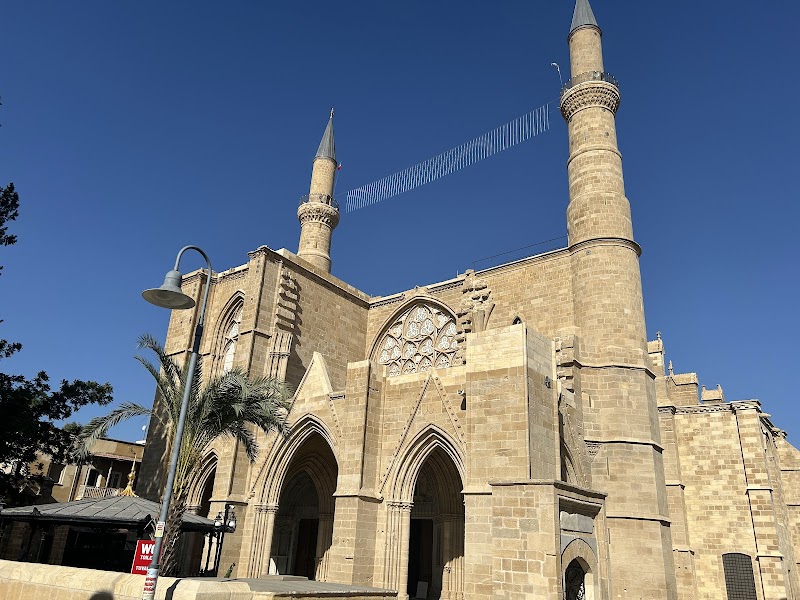
Selimiye Mosque
📍 Selimiye Sk, Lefkoşa 99010
⭐ 4.6 / 5.0
The Selimiye Mosque, formerly the St. Sophia Cathedral, stands as the most prominent architectural and historical landmark in North Nicosia (Lefkoşa). Dominating the city skyline, this magnificent structure embodies centuries of history, transitioning from a grand Gothic cathedral of the Lusignan era to a revered Ottoman mosque. Its imposing presence and intricate architecture make it a must-visit for anyone seeking to understand the layered cultural heritage of North Cyprus. Located in the heart of the old walled city, it is easily accessible and serves as a focal point for exploring the historical capital.
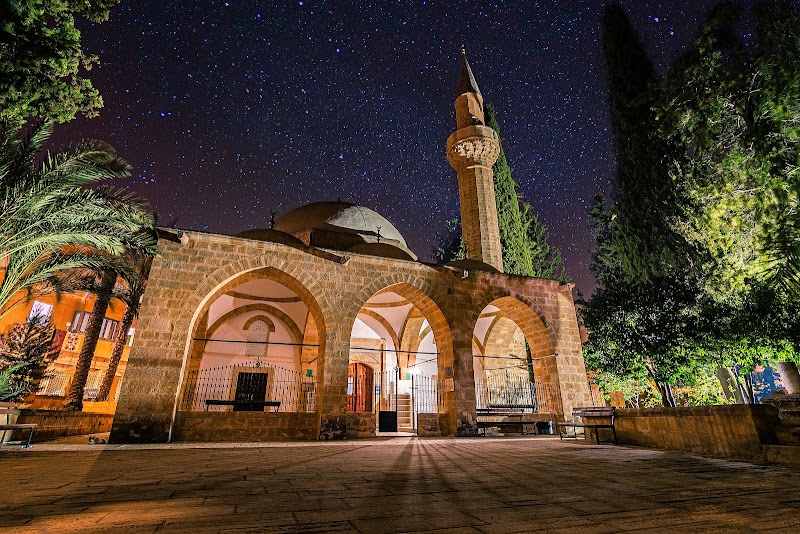
The transformation of the St. Sophia Cathedral into the Selimiye Mosque began after the Ottoman conquest of Nicosia in 1570. The minarets were added in the 16th century, symbolically marking the building's new religious identity. Visitors entering the mosque will immediately notice the striking juxtaposition of Gothic architectural elements, such as the pointed arches and ribbed vaults, with Ottoman additions. The vast interior, once a site of Catholic worship, now echoes with the reverence of Islamic tradition. The main prayer hall is expansive, with a high ceiling and the mihrab and minbar indicating the direction of Mecca. The atmosphere within is one of serene grandeur, a testament to its enduring significance through different epochs.
While the exterior showcases impressive stonework and the iconic twin minarets, the interior reveals the historical narrative etched into its walls and structure. Unlike many mosques, the Selimiye retains many of its cathedral-like features, offering a unique glimpse into its past. Visitors can wander through the vast nave, admire the soaring columns, and contemplate the historical shifts it has witnessed. The mosque continues to be an active place of worship, and visitors are expected to dress respectfully, covering shoulders and knees, and women may be asked to cover their heads. Photography is generally permitted, but it is courteous to be discreet, especially during prayer times.
The best time to visit Selimiye Mosque is during the daytime when the natural light illuminates the interior, highlighting the architectural details. Mornings or late afternoons offer pleasant light and fewer crowds. As it is an active place of worship, checking for any specific prayer times or events that might affect visitor access is advisable, although its historical significance means it is generally accessible to tourists. Comfortable walking shoes are recommended as the old city of Nicosia is best explored on foot. Admission to the mosque itself is free, reflecting its status as a cultural and religious heritage site.
The transformation of the St. Sophia Cathedral into the Selimiye Mosque began after the Ottoman conquest of Nicosia in 1570. The minarets were added in the 16th century, symbolically marking the building's new religious identity. Visitors entering the mosque will immediately notice the striking juxtaposition of Gothic architectural elements, such as the pointed arches and ribbed vaults, with Ottoman additions. The vast interior, once a site of Catholic worship, now echoes with the reverence of Islamic tradition. The main prayer hall is expansive, with a high ceiling and the mihrab and minbar indicating the direction of Mecca. The atmosphere within is one of serene grandeur, a testament to its enduring significance through different epochs.
While the exterior showcases impressive stonework and the iconic twin minarets, the interior reveals the historical narrative etched into its walls and structure. Unlike many mosques, the Selimiye retains many of its cathedral-like features, offering a unique glimpse into its past. Visitors can wander through the vast nave, admire the soaring columns, and contemplate the historical shifts it has witnessed. The mosque continues to be an active place of worship, and visitors are expected to dress respectfully, covering shoulders and knees, and women may be asked to cover their heads. Photography is generally permitted, but it is courteous to be discreet, especially during prayer times.
The best time to visit Selimiye Mosque is during the daytime when the natural light illuminates the interior, highlighting the architectural details. Mornings or late afternoons offer pleasant light and fewer crowds. As it is an active place of worship, checking for any specific prayer times or events that might affect visitor access is advisable, although its historical significance means it is generally accessible to tourists. Comfortable walking shoes are recommended as the old city of Nicosia is best explored on foot. Admission to the mosque itself is free, reflecting its status as a cultural and religious heritage site.