Alagadi Turtle Beach
📍 Alagadi Turtle Beach
⭐ 4.5 / 5.0
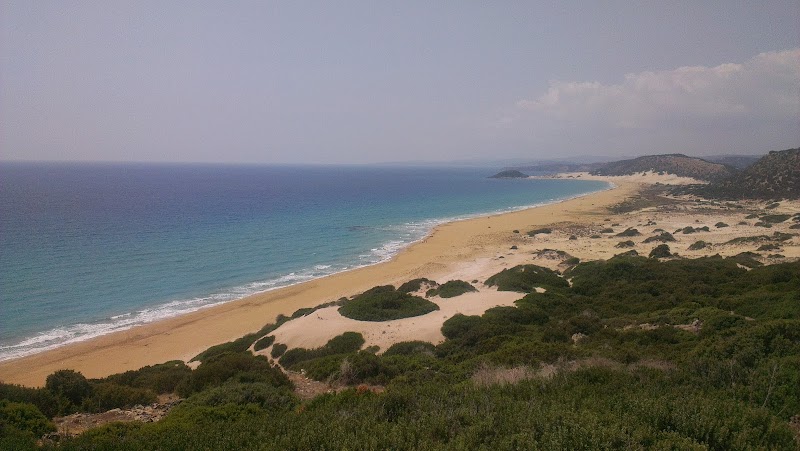
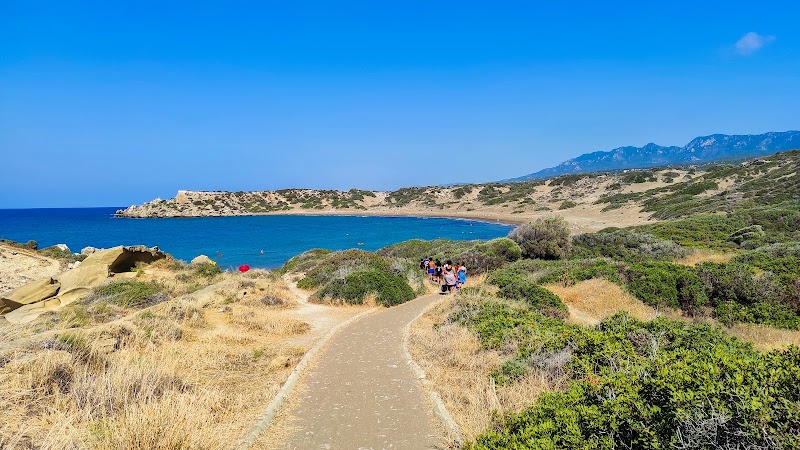
Alagadi Turtle Beach (Alakati) is one of the most ecologically significant stretches of coastline in the Mediterranean, serving as the primary nesting site for both green turtles (Chelonia mydas) and loggerhead turtles (Caretta caretta) in North Cyprus. Located approximately 16 kilometres east of Kyrenia, this protected beach extends for about two kilometres of undeveloped golden sand backed by dunes and scrubland, offering a rare combination of natural beauty and conservation importance.
The beach has been the focus of a long-running marine turtle conservation project operated by the Society for the Protection of Turtles (SPOT) in collaboration with North Cyprus authorities and international universities since 1992. Each nesting season, from June to September, female turtles emerge from the sea at night to lay their eggs in the sand, with hatchlings making their journey to the sea approximately 50 days later. Volunteers and researchers monitor nests, protect eggs from predators, and record data that has contributed significantly to our understanding of Mediterranean turtle populations. Visitors during nesting season can join supervised night watches to witness this remarkable natural spectacle.
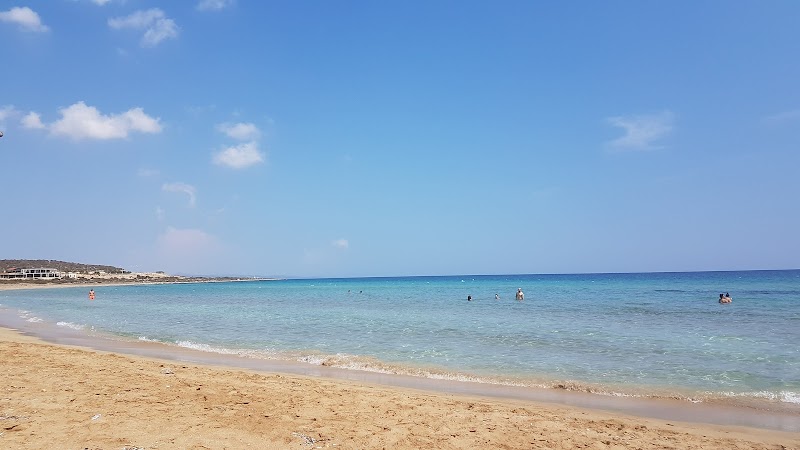
During the day, Alagadi is a popular swimming beach with crystal-clear waters and a gently shelving sandy seabed. The absence of commercial development preserves its wild, unspoiled character — there are no sunbed rentals, beach bars, or permanent structures on the sand. A small car park and information board mark the access point. The beach is divided into sections, some of which are periodically closed during nesting season to protect turtle nests. Despite its protected status, the beach welcomes visitors who respect the conservation guidelines.
The best time to visit for turtle watching is July and August evenings (after 8 PM), when SPOT volunteers guide small groups to observe nesting females or hatchling releases. For swimming and sunbathing, the beach is excellent from May through October. Visitors should bring their own shade, water, and supplies, as facilities are minimal by design.
Key facts: Primary nesting site for green and loggerhead turtles · Conservation project since 1992 · ~2 km of protected beach · Nesting season June–September · Supervised turtle watches in summer · No commercial development · Free access
The beach has been the focus of a long-running marine turtle conservation project operated by the Society for the Protection of Turtles (SPOT) in collaboration with North Cyprus authorities and international universities since 1992. Each nesting season, from June to September, female turtles emerge from the sea at night to lay their eggs in the sand, with hatchlings making their journey to the sea approximately 50 days later. Volunteers and researchers monitor nests, protect eggs from predators, and record data that has contributed significantly to our understanding of Mediterranean turtle populations. Visitors during nesting season can join supervised night watches to witness this remarkable natural spectacle.
During the day, Alagadi is a popular swimming beach with crystal-clear waters and a gently shelving sandy seabed. The absence of commercial development preserves its wild, unspoiled character — there are no sunbed rentals, beach bars, or permanent structures on the sand. A small car park and information board mark the access point. The beach is divided into sections, some of which are periodically closed during nesting season to protect turtle nests. Despite its protected status, the beach welcomes visitors who respect the conservation guidelines.
The best time to visit for turtle watching is July and August evenings (after 8 PM), when SPOT volunteers guide small groups to observe nesting females or hatchling releases. For swimming and sunbathing, the beach is excellent from May through October. Visitors should bring their own shade, water, and supplies, as facilities are minimal by design.
Key facts: Primary nesting site for green and loggerhead turtles · Conservation project since 1992 · ~2 km of protected beach · Nesting season June–September · Supervised turtle watches in summer · No commercial development · Free access